
Introduction
Melbourne’s summer heat can be oppressive, making it vital for homeowners to find effective ways to stay cool. One of the best solutions is through the integration of skylights and roof ventilation systems. Not only do they enhance your home’s aesthetic appeal, but they also significantly improve indoor comfort.
This guide will explore how products like Velux Skylights and Solatube Skylights work together with proper roof ventilation to combat the Melbourne heat during summer. We’ll also discuss how adding these features can enhance your home’s energy efficiency and comfort levels.
Understanding the Melbourne Summer Heat
Melbourne experiences hot summers, with average temperatures often exceeding 30°C. The city’s unique weather patterns can lead to sudden heatwaves. Therefore, creating a comfortable indoor environment is essential.
Many homeowners may find their spaces overheating due to trapped air and inadequate ventilation. The key is to allow hot air to escape while maximizing natural light. This is where skylights and ventilation come into play.
Using ventilating skylights can significantly alleviate heat accumulation by:
-
Expelling hot air, which is common during the hottest parts of the day.
-
Improving indoor air quality and comfort, making your home more enjoyable.
-
Enhancing energy efficiency, which can save you money on cooling costs.
How Skylights Work to Keep Your Home Cooler
Skylights serve as an excellent tool for capturing natural light while simultaneously providing ventilation. There are two main types of skylights to consider: fixed skylights and ventilating skylights.
Fixed Skylights
Fixed skylights are designed to let light into your home but do not facilitate airflow. While they are great for illumination, their lack of ventilation can lead to increased heat in the summer months.
Ventilating Skylights
On the contrary, ventilating skylights have the added capability of promoting airflow. They allow hot air to escape, which is particularly beneficial during Melbourne summers. Here’s how they operate:
-
Hot air rises and becomes trapped in your home.
-
Ventilating skylights open to release this hot air.
-
As warm air exits, cooler air from outside enters, providing a natural cooling effect.
Positioning your skylight correctly can enhance its effectiveness. North-facing skylights tend to minimise summer heat gain, making them ideal for sunny regions like Melbourne.
Maximising Efficiency with Roof Ventilation
Integrating roof ventilation with skylights can provide even greater relief from heat. Proper roof ventilation works by allowing air to circulate in your roof space, reducing heat buildup. With Melbourne’s temperatures often hitting unbearable highs, roof ventilation becomes a critical investment.
Types of Roof Ventilation
There are several options you can choose from for roof ventilation:
-
Whirlybirds: These passive turbines spin with wind, helping to vent hot air from your roof space.
-
Roof Vents: These can be installed at various points along your roof to allow hot air escape continuously.
-
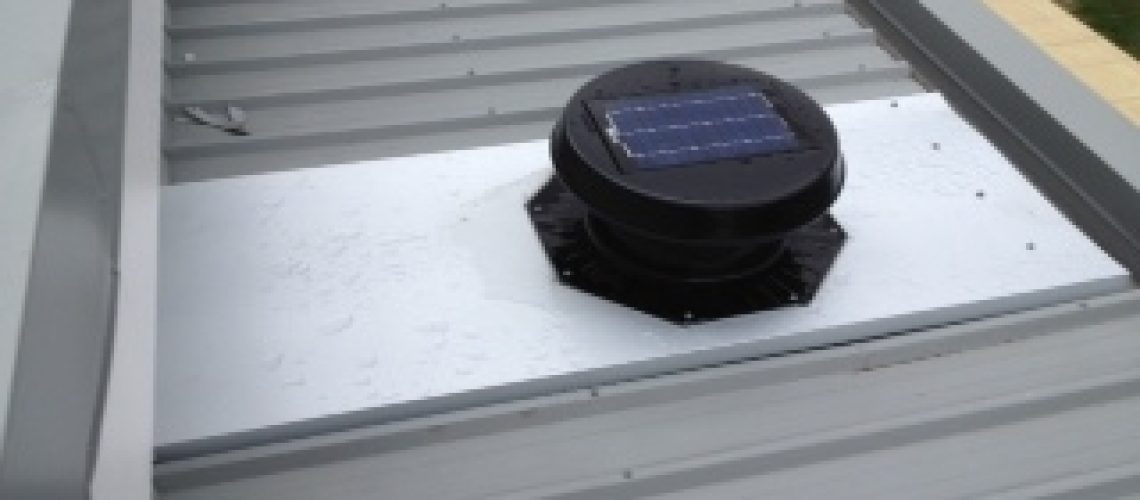
Powered Ventilation: These systems use electricity to actively draw hot air out of your home, ideal for areas prone to high temperatures.
Combining roof ventilation with skylights ensures a continuous cycle of air, greatly reducing overall home temperatures. This can lead to a decrease in cooling energy needs in summer by up to 55% when appropriately implemented.
The Importance of SHGC Ratings
Understanding the Solar Heat Gain Coefficient (SHGC) of your skylights is vital. The SHGC measures how much solar radiation passes through the skylight. A lower SHGC means less solar heat enters your home, which can lead to a much cooler environment during the hot months.
For instance, low-SHGC skylights can significantly decrease your cooling loads, and they are highly recommended for warm climates like that of Melbourne. By blocking excessive solar heat, they keep your indoor air cooler and your energy bills lower. Here’s how you can maximise the benefits:
-
Opt for skylights with a low SHGC rating to limit heat gain.
-
Consider both the orientation and shading of your skylights for optimal performance.
-
Add dynamic shading solutions, which can further reduce heat absorption by balancing daylight with controlled cooling loads.
Installation and Maintenance Considerations
Proper installation and maintenance of your skylights and roof ventilation systems are essential. Quality installation helps ensure optimal performance and longevity, while regular maintenance can prevent issues that may affect efficiency.
Choosing Your Installer
When selecting a professional to install your skylights, consider the following:
-
Look for qualified professionals with experience in skylight and ventilation installations.
-
Read customer reviews to gauge reliability and quality of service.
-
Check if they offer warranties or guarantees for their work.
Regular Maintenance
Once installed, keeping your skylights and ventilation systems in good condition is crucial. You should:
-
Regularly clean skylights to ensure maximum sunlight entry.
-
Inspect roof ventilation systems and clean out any debris that might block airflow.
-
Schedule periodic checks with your installer to ensure everything functions properly.
Conclusion
In conclusion, incorporating skylights and effective roof ventilation into your home is an excellent way to combat the summer heat in Melbourne. Not only will you enjoy a cooler living environment, but you’ll also bolster your home’s energy efficiency.
Take advantage of products like Velux Skylights and Solatube Skylights to transform your home. With proper installation and maintenance, your home can stay refreshingly cool even during the hottest days. For more information on our range of skylights and ventilation solutions, don’t hesitate to request a quote today!
For more tips and updates, visit our blog.